










Everest Base Camp Trek

Price :

US $ 1955

Day

1

Day

2

Day

3

Day

4

Day

5

Day

6

Day

7

Day

8

Day

9

Day

10

Day

11

Day

12

Day

12

Day

13

Day

14

ARRIVAL AND DEPARTURE: Airport – Hotel transfer (Airport Pick-Up and Drop Service) by our private vehicle.

HOTEL ACCOMMODATION IN KATHMANDU: Three-night hotel in Kathmandu (4-star category) bed and breakfast plan: The hotel in Kathmandu depends on the trip cost, negotiable.

WELCOME DINNER IN KATHMANDU: We organize a farewell dinner in Kathmandu at a tourist-standard hotel with the client’s staff.

PERMITS: All necessary paperwork, like Sagarmatha National Park Permit, guide fees, Pasang Lhamu Rural Municipality entry permit fees (We need the client’s original Passport)

TRANSPORTATION: (Domestic flight) flight from Kathmandu to Lukla and Lukla to Kathmandu as per itinerary, for clients and staff

INSURANCE: Medical and Emergency rescue Insurance for all Nepalese co-staff during the trek.

TREKKING MAP: The Everest region includes the best route map

MEMBER LUGGAGE: up to 15 kg per member as personal luggage during the trek to be carried by porters.

FOOD AND LODGING: Three meals a day (breakfast, lunch, and dinner), including tea or coffee, with accessible accommodation at a hotel/lodge during the trek. Seasonal fruit and hygienic food with vegetables or meat will be served during the trip.

GUIDE AND HELPER: Fully English-speaking or your language-based government-licensed trekking and city tour guide in Kathmandu.

PORTERS: One porter for two pieces of luggage for clients with luggage weighing around 25 to 30 kilos, from start to finish of the trip.

STAFF SALARY AND ALLOWANCE: All Nepalese staff and porters’ daily wages, salary, insurance, equipment, accommodation, food and clothing.

CLIENTS NEED: A medical kit, a sleeping bag, and a duffel bag must be returned after the completion of the trip.

AIRFARE: (International flight airfare from and to Kathmandu).

NEPAL ENTRY VISA FEE: The Nepalese visa fee is around US $ 50 for 30 days is not included.

LUNCH AND DINNER: Lunch and dinner during the stay in Kathmandu/ also in case of early return from trekking or any other activities like peak climbing, than the scheduled itinerary.


EXTRA NIGHT IN KATHMANDU: Extra nights’ accommodation in Kathmandu, in case of early arrival or late departure, early return from trekking, or domestic flight cancellation for any reason other than the scheduled itinerary.


TRAVEL INSURANCE: Travel insurance is strongly recommended that covers both medical and high-altitude evacuation costs (high altitude rescue and air evacuation, medical treatment, etc.) Mandatory


PERSONAL EQUIPMENT: All kinds of personal trekking and hiking equipment, like clothing, packing items, bags, personal medical kit, toiletries, and all necessary gear.


PERSONAL EXPENSES: Alcoholic beverages, telephone calls, WIFI, electricity charges, hot showers, mineral water, laundry, soft drinks, and internet services are not included.


EXTRA PORTERS: If you hire an extra porter than our companies organize have to pay USD $ 25 per day.


TIPS: Tipping the guide and your assistant helpers (Ethically expected and demonstrates your goodwill)

EXTRA: What is not mentioned in our “cost included” section or not mentioned in our itinerary will not be included with any other services or activities.

Arrival City

Kathmandu

Departure City

Kathmandu

Lodging Level

Tea House

Meals

Included

Trip Grade

Medium

Maximum Altitude

5545m.

Transportation

KTM-LUA/ LUA-KTM Flight

Best Season

March to May/ September to November

Guide

Local Trained Guide

Trip Region

Everest Region

Group Size

1 to 18

arrivals

Arrival City

Kathmandu

departures

Departure City

Kathmandu

lodge

Lodging Level

Tea House

meal

Meals

Included

score

Trip Grade

Medium

altitude

Maximum Altitude

5545m.

transportation

Transportation

KTM-LUA/ LUA-KTM Flight

seasonal

Best Season

March to May/ September to November

tour-guide

Guide

Local Trained Guide

location

Trip Region

Everest Region

group

Group Size

1 to 18

Visa and Entry Requirements

Most international travelers can obtain a tourist visa upon arrival in Nepal. Visa services are available at Tribhuvan International Airport in Kathmandu as well as at designated land border entry points. Tourist visas are generally issued for 15, 30, or 90 days. Visitors must hold a passport valid for at least six months from the date of entry and provide passport-size photographs along with the applicable visa fee. Payments are typically accepted in major foreign currencies. Travelers also have the option to complete an online visa application prior to arrival to reduce waiting time at immigration checkpoints. Citizens of India enjoy visa-free entry into Nepal and may travel using a valid passport or voter identification card.

Land Border Entry Points

Nepal shares open land borders with India, allowing convenient overland travel. The most commonly used border crossings include Sunauli Border, Raxaul–Birgunj Border, Kakarbhitta Border, and Banbasa–Mahendranagar Border. These entry points connect Nepal with major Indian cities and are frequently used by regional travelers.

Travel Costs and Budget Expectations

Nepal is widely regarded as an affordable destination suitable for various travel styles. Daily expenses depend on accommodation standards, transportation choices, and planned activities such as trekking or guided tours. Budget travelers can comfortably explore Nepal with modest daily expenses, while mid-range and luxury travelers will find a wide range of hotels, resorts, and personalized travel services available throughout the country.

Currency and Payments

The official currency of Nepal is the Nepalese Rupee (NPR). Cash remains the primary mode of payment, particularly in rural areas and trekking regions. ATMs and money exchange services are readily available in major tourist hubs such as Kathmandu and Pokhara, while credit cards are accepted in many hotels, restaurants, and travel agencies.

Health, Safety, and Travel Advice

Visitors are encouraged to carry copies of important documents, including passports and visas, throughout their journey. Travel insurance covering medical emergencies and high-altitude activities is strongly recommended, especially for trekking and adventure travel. Drinking bottled or purified water is advised, and travelers should remain mindful of local customs, religious practices, and environmental conservation guidelines. Weather conditions, particularly in mountainous areas, can change rapidly, making proper preparation essential.

Best Time to Visit

Nepal can be visited year-round; however, spring (March to May) and autumn (September to November) are considered the most favorable seasons due to clear skies, pleasant temperatures, and excellent mountain visibility. These periods are especially popular for trekking and outdoor activities.

Communication and Connectivity

Tourists can easily purchase local SIM cards upon arrival with passport identification. Mobile networks and internet services are widely available in cities and many trekking regions, ensuring convenient communication during travel.
Yes, in a spring and an autumn season the main tourist season is too crowed. If you want to skip from many crowded tourist its better to travel at the beginning of the season March first week to June first week and September first week to November last week. During this season you can relax and feel comfort with less crowded trekkers.
Yes. It is affordable trek because its mostly renowned worlds highest base camp trek and you can experience the real high altitude Himalayan adventure by seeing mother secret Amadaplam, Thamserku, Everest, Pumori, Lotse ,Nuptse and so many other snow-capped mountain range from different viewpoints. Experience the real sherpa homeland and their culture and traditions. Unique diverse of white river of Dudhkoshi (milk water) , flora and fauna, national flower Rhododendron including the curved Mani wall and scarfs Yetis head inside monastery
No , you don’t need any physical mountain climbing training or technical gear for Everest Base Camp trek. personal sessions to improve your stamina are more than enough.

- Overview

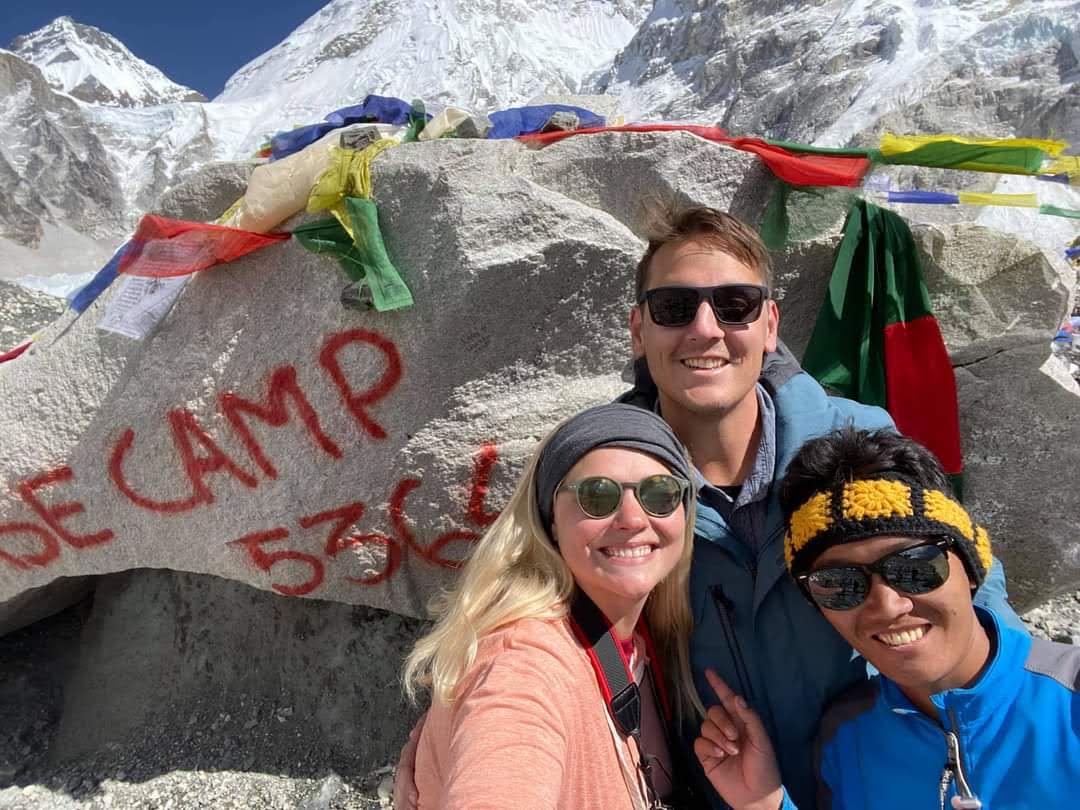
Everest Base Camp trek is one of the worlds most renowned well-established trekking and hiking trail where they touch the heart of the Sherpa communities culture ,nature and local inhabitants with the world highest mighty mount Everest. the Everest Base Camp trek is adventure in a lifetime experience, a journey for those dreaming higher than even the clouds.

The Everest base camp trek is started from the heart of capiatal city of Nepal and we stepped first flight at Lukla airport and start to hiking which leads to the worlds most dramatic ,majestic,and pictureque in the Himalayas.Trek through the alpine region on remote valleys,experience true wilderness, reach Everest Base camp trek, Kalapatthar viewpoint -one of the vantage point of Khumbu valley, one of the best panoramic views over the breathtaking peaks are some major highlights of Everest Base Camp trek.

Inside the walking journey you will access differnt Sherpa settlement likewise Phalkding, Namche, Tengboche, Dingboche, Gorakshep and many other famouse settlement where you can experience the real culture and tradition. The views are the simply unforgettable. The journey takes you past extensive Rhododendron forest as well as over extensive high-suspension bridges when leding you along the powerful glacial rivers. This famouse incredible trekking experience let the trekkers witness the stunning height of Ama-daplam(Mother Secret Mountain)in addition to the lhotse and Nuptse mountiains before they see Everest.

When you return back from base camp dont miss Namche Bazzar the capital city of sherpa community where lets you rest enjoying with tea or coffee and stop for shopping handcrafted items and seuveniour.

- Highlights

- Itineraries

Day

1

Day

2

Day

3

Day

4

Day

5

Day

6

Day

7

Day

8

Day

9

Day

10

Day

11

Day

12

Day

12

Day

13

Day

14

- Include

ARRIVAL AND DEPARTURE: Airport – Hotel transfer (Airport Pick-Up and Drop Service) by our private vehicle.

HOTEL ACCOMMODATION IN KATHMANDU: Three-night hotel in Kathmandu (4-star category) bed and breakfast plan: The hotel in Kathmandu depends on the trip cost, negotiable.

WELCOME DINNER IN KATHMANDU: We organize a farewell dinner in Kathmandu at a tourist-standard hotel with the client’s staff.

PERMITS: All necessary paperwork, like Sagarmatha National Park Permit, guide fees, Pasang Lhamu Rural Municipality entry permit fees (We need the client’s original Passport)

TRANSPORTATION: (Domestic flight) flight from Kathmandu to Lukla and Lukla to Kathmandu as per itinerary, for clients and staff

INSURANCE: Medical and Emergency rescue Insurance for all Nepalese co-staff during the trek.

TREKKING MAP: The Everest region includes the best route map

MEMBER LUGGAGE: up to 15 kg per member as personal luggage during the trek to be carried by porters.

FOOD AND LODGING: Three meals a day (breakfast, lunch, and dinner), including tea or coffee, with accessible accommodation at a hotel/lodge during the trek. Seasonal fruit and hygienic food with vegetables or meat will be served during the trip.

GUIDE AND HELPER: Fully English-speaking or your language-based government-licensed trekking and city tour guide in Kathmandu.

PORTERS: One porter for two pieces of luggage for clients with luggage weighing around 25 to 30 kilos, from start to finish of the trip.

STAFF SALARY AND ALLOWANCE: All Nepalese staff and porters’ daily wages, salary, insurance, equipment, accommodation, food and clothing.

CLIENTS NEED: A medical kit, a sleeping bag, and a duffel bag must be returned after the completion of the trip.

- Exclude

AIRFARE: (International flight airfare from and to Kathmandu).

NEPAL ENTRY VISA FEE: The Nepalese visa fee is around US $ 50 for 30 days is not included.

LUNCH AND DINNER: Lunch and dinner during the stay in Kathmandu/ also in case of early return from trekking or any other activities like peak climbing, than the scheduled itinerary.


EXTRA NIGHT IN KATHMANDU: Extra nights’ accommodation in Kathmandu, in case of early arrival or late departure, early return from trekking, or domestic flight cancellation for any reason other than the scheduled itinerary.


TRAVEL INSURANCE: Travel insurance is strongly recommended that covers both medical and high-altitude evacuation costs (high altitude rescue and air evacuation, medical treatment, etc.) Mandatory


PERSONAL EQUIPMENT: All kinds of personal trekking and hiking equipment, like clothing, packing items, bags, personal medical kit, toiletries, and all necessary gear.


PERSONAL EXPENSES: Alcoholic beverages, telephone calls, WIFI, electricity charges, hot showers, mineral water, laundry, soft drinks, and internet services are not included.


EXTRA PORTERS: If you hire an extra porter than our companies organize have to pay USD $ 25 per day.


TIPS: Tipping the guide and your assistant helpers (Ethically expected and demonstrates your goodwill)

EXTRA: What is not mentioned in our “cost included” section or not mentioned in our itinerary will not be included with any other services or activities.

- Infos

arrivals

Arrival City

Kathmandu

departures

Departure City

Kathmandu

lodge

Lodging Level

Tea House

meal

Meals

Included

score

Trip Grade

Medium

altitude

Maximum Altitude

5545m.

transportation

Transportation

KTM-LUA/ LUA-KTM Flight

seasonal

Best Season

March to May/ September to November

tour-guide

Guide

Local Trained Guide

location

Trip Region

Everest Region

group

Group Size

1 to 18

- Useful Infos

Visa and Entry Requirements

Most international travelers can obtain a tourist visa upon arrival in Nepal. Visa services are available at Tribhuvan International Airport in Kathmandu as well as at designated land border entry points. Tourist visas are generally issued for 15, 30, or 90 days. Visitors must hold a passport valid for at least six months from the date of entry and provide passport-size photographs along with the applicable visa fee. Payments are typically accepted in major foreign currencies. Travelers also have the option to complete an online visa application prior to arrival to reduce waiting time at immigration checkpoints. Citizens of India enjoy visa-free entry into Nepal and may travel using a valid passport or voter identification card.

Land Border Entry Points

Nepal shares open land borders with India, allowing convenient overland travel. The most commonly used border crossings include Sunauli Border, Raxaul–Birgunj Border, Kakarbhitta Border, and Banbasa–Mahendranagar Border. These entry points connect Nepal with major Indian cities and are frequently used by regional travelers.

Travel Costs and Budget Expectations

Nepal is widely regarded as an affordable destination suitable for various travel styles. Daily expenses depend on accommodation standards, transportation choices, and planned activities such as trekking or guided tours. Budget travelers can comfortably explore Nepal with modest daily expenses, while mid-range and luxury travelers will find a wide range of hotels, resorts, and personalized travel services available throughout the country.

Currency and Payments

The official currency of Nepal is the Nepalese Rupee (NPR). Cash remains the primary mode of payment, particularly in rural areas and trekking regions. ATMs and money exchange services are readily available in major tourist hubs such as Kathmandu and Pokhara, while credit cards are accepted in many hotels, restaurants, and travel agencies.

Health, Safety, and Travel Advice

Visitors are encouraged to carry copies of important documents, including passports and visas, throughout their journey. Travel insurance covering medical emergencies and high-altitude activities is strongly recommended, especially for trekking and adventure travel. Drinking bottled or purified water is advised, and travelers should remain mindful of local customs, religious practices, and environmental conservation guidelines. Weather conditions, particularly in mountainous areas, can change rapidly, making proper preparation essential.

Best Time to Visit

Nepal can be visited year-round; however, spring (March to May) and autumn (September to November) are considered the most favorable seasons due to clear skies, pleasant temperatures, and excellent mountain visibility. These periods are especially popular for trekking and outdoor activities.

Communication and Connectivity

Tourists can easily purchase local SIM cards upon arrival with passport identification. Mobile networks and internet services are widely available in cities and many trekking regions, ensuring convenient communication during travel.

- FAQs

Yes, in a spring and an autumn season the main tourist season is too crowed. If you want to skip from many crowded tourist its better to travel at the beginning of the season March first week to June first week and September first week to November last week. During this season you can relax and feel comfort with less crowded trekkers.
Yes. It is affordable trek because its mostly renowned worlds highest base camp trek and you can experience the real high altitude Himalayan adventure by seeing mother secret Amadaplam, Thamserku, Everest, Pumori, Lotse ,Nuptse and so many other snow-capped mountain range from different viewpoints. Experience the real sherpa homeland and their culture and traditions. Unique diverse of white river of Dudhkoshi (milk water) , flora and fauna, national flower Rhododendron including the curved Mani wall and scarfs Yetis head inside monastery
No , you don’t need any physical mountain climbing training or technical gear for Everest Base Camp trek. personal sessions to improve your stamina are more than enough.

Tour Booking

Contact Us

Explore Other Packages

Manaslu Circuit Trek

Langtang Valley Trek

Annapurna Base Camp trek

US $ 1560

Annapurna Circuit Trek

US $ 1350

Khopra Ridge Community Trek